Strong & Stable Fiber Structure in Keruing Wood
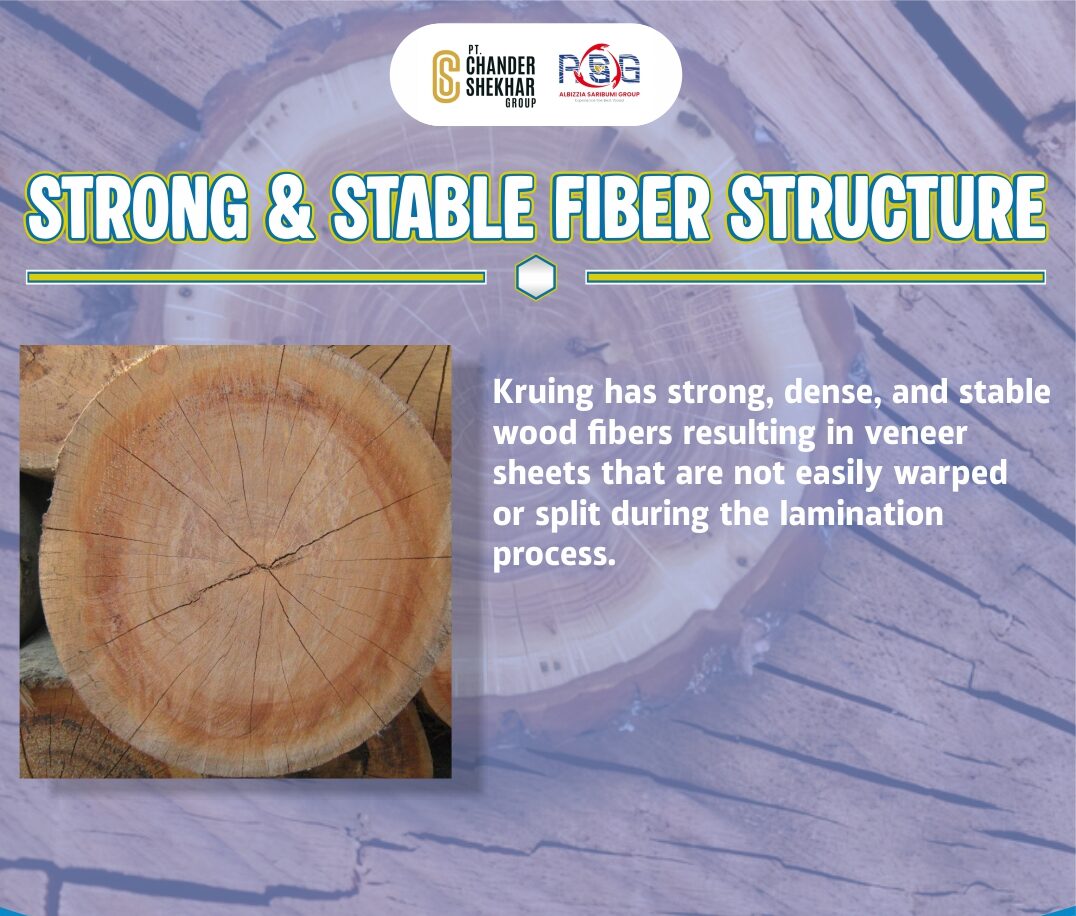
Keruing wood (Dipterocarpus spp.) is a superior tropical wood species widely used in the plywood industry, particularly for facebacks and structural veneers. Keruing wood’s primary advantage lies in its strong, dense, and stable grain structure, making it highly suitable for high-quality products that meet export standards.
The Effect of Keruing Fiber Structure on Veneer Quality
A strong and stable fiber structure has a direct impact on veneer quality, including:
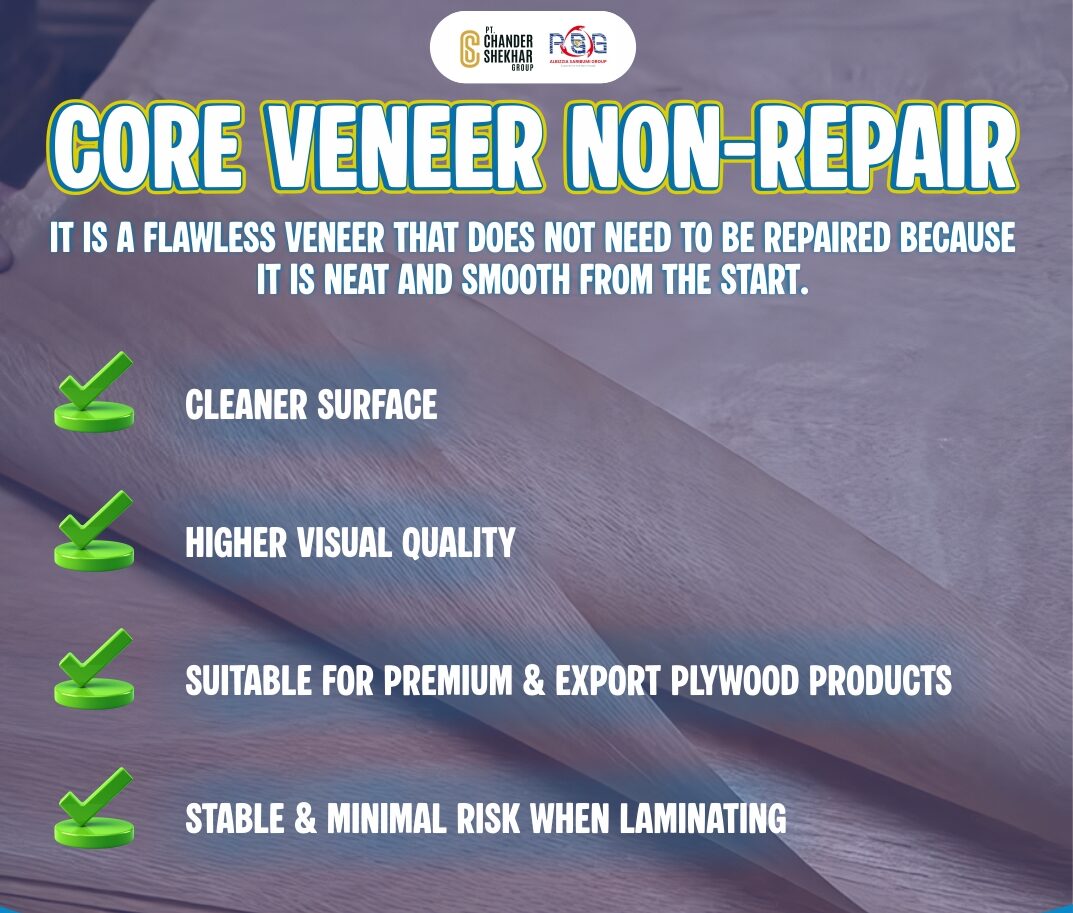
More consistent veneer thickness, A neater, tear-resistant surface, optimized glue adhesion, better plywood finishing quality, keruing wood veneer maintains good performance even through a lengthy production process.
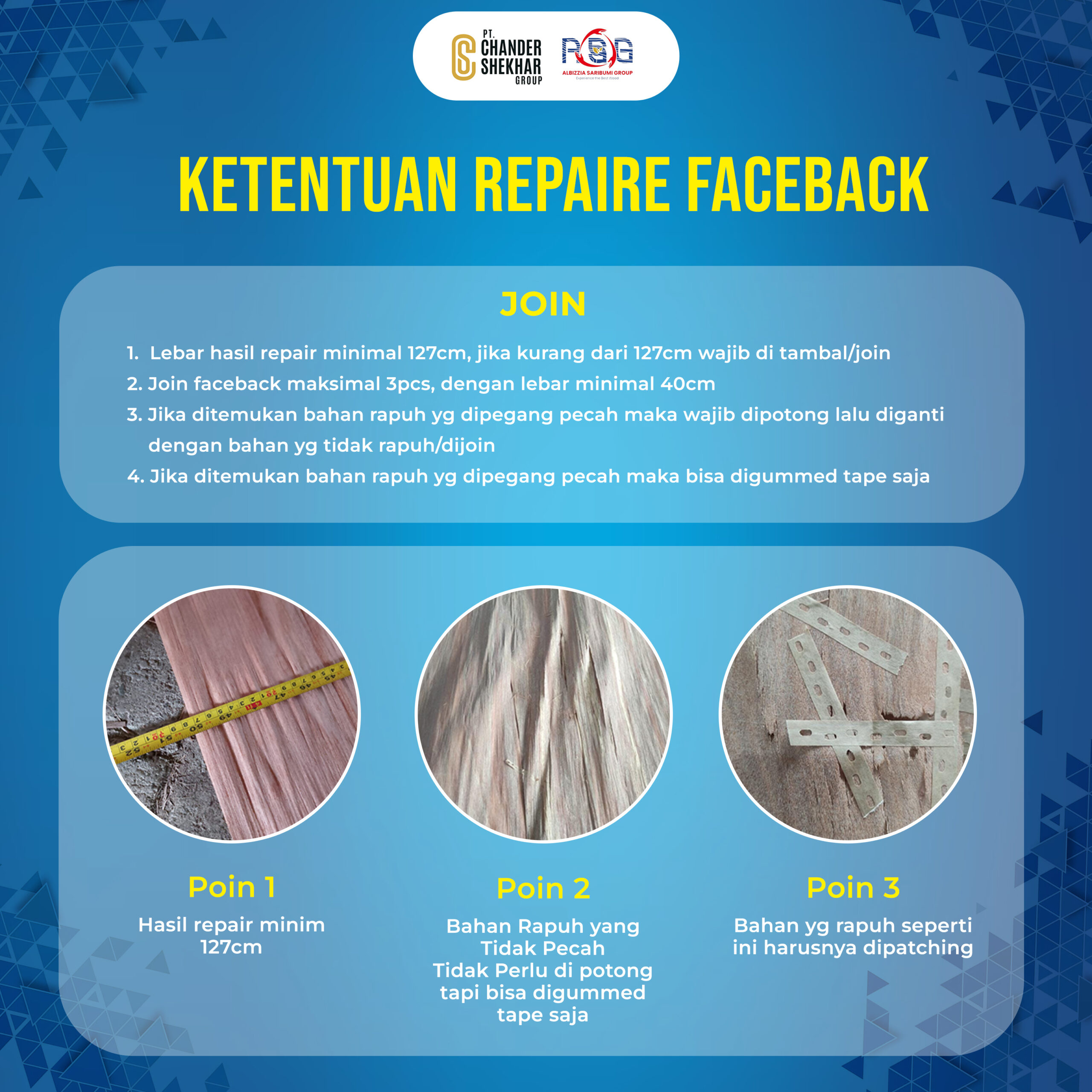
Due to its grain characteristics, keruing wood is highly suitable for use as a faceback, with the following advantages:
Maintains the balance of the plywood layers, supports structural strength without compromising appearance, provides additional stability during the pressing process, this is why keruing facebacks are highly sought after by export buyers, especially for mid- to premium-quality plywood.
The Role of Quality Control in Maintaining Fiber Structure
To maintain the natural qualities of keruing wood, a controlled production process is required, including:
Keruing log selection, precise blade setting and sharpening, dryer with stable temperature settings, veneer grading and re-checking
At PT. ASG & CSG, each stage is subject to multiple levels of quality control to ensure the wood’s grain structure is maintained from start to finish until it is ready for export.
Conclusion
The strong and stable fiber structure of keruing wood makes it one of the best materials for plywood veneer and faceback. The combination of natural strength, dimensional stability and adaptability to industrial processes makes keruing wood have high value in local and international markets.
With proper processing, keruing wood is able to produce veneer that is durable, consistent and meets export standards.