
Understanding Veneer
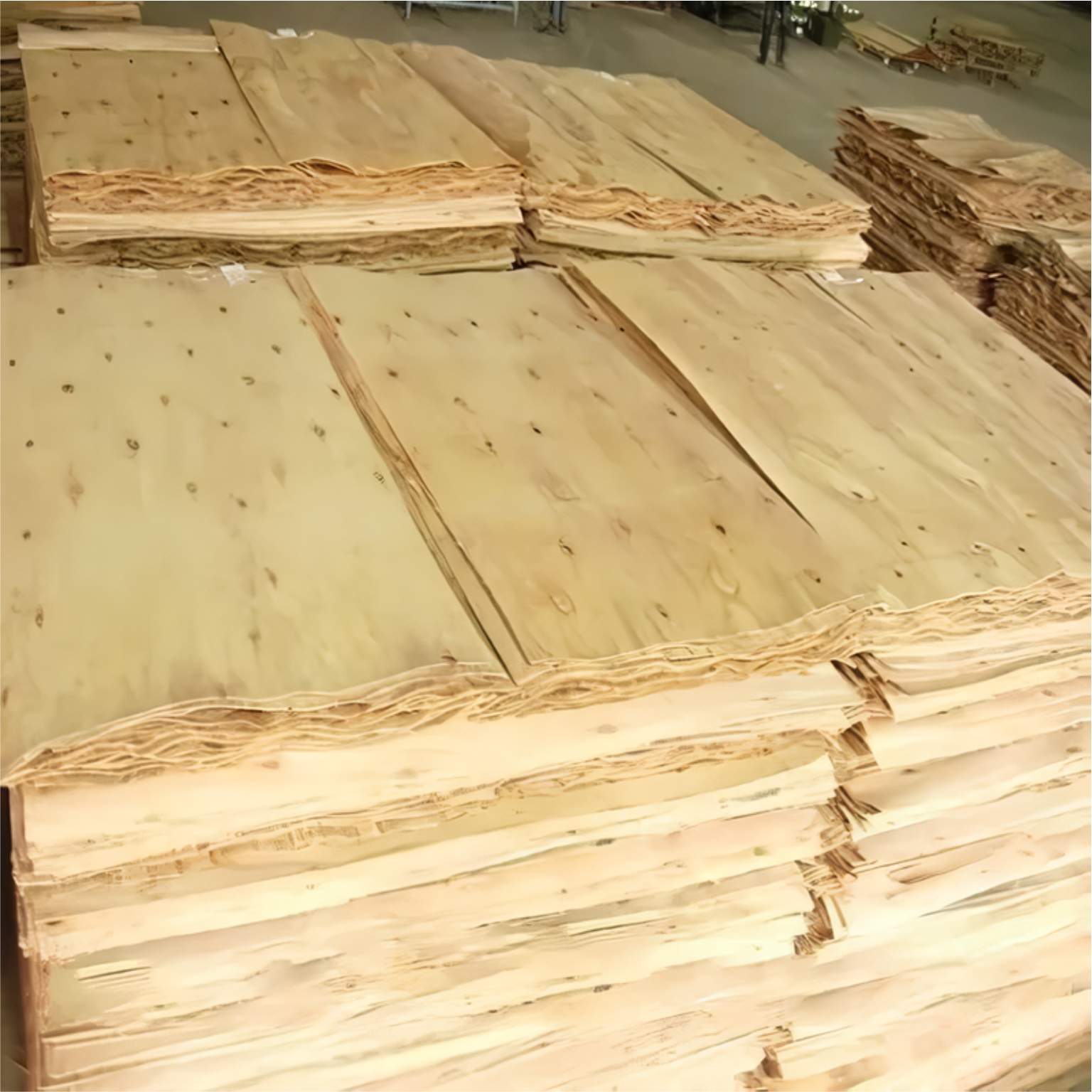
Veneer is a thin sheet of wood produced by peeling or cutting logs using a special machine. Veneer is the primary material in plywood production, where multiple layers of veneer are arranged and glued together to form a single, high-strength board.
Veneer thickness generally ranges from 0.8 mm to 3 mm, depending on the needs and specifications of the final product.
Types of Veneer
1. Core Veneer
The core veneer is the middle layer of plywood, which serves as the main structure and determines strength.
The core veneer must have:
Uniform thickness, Stable moisture content, Good fiber strength.
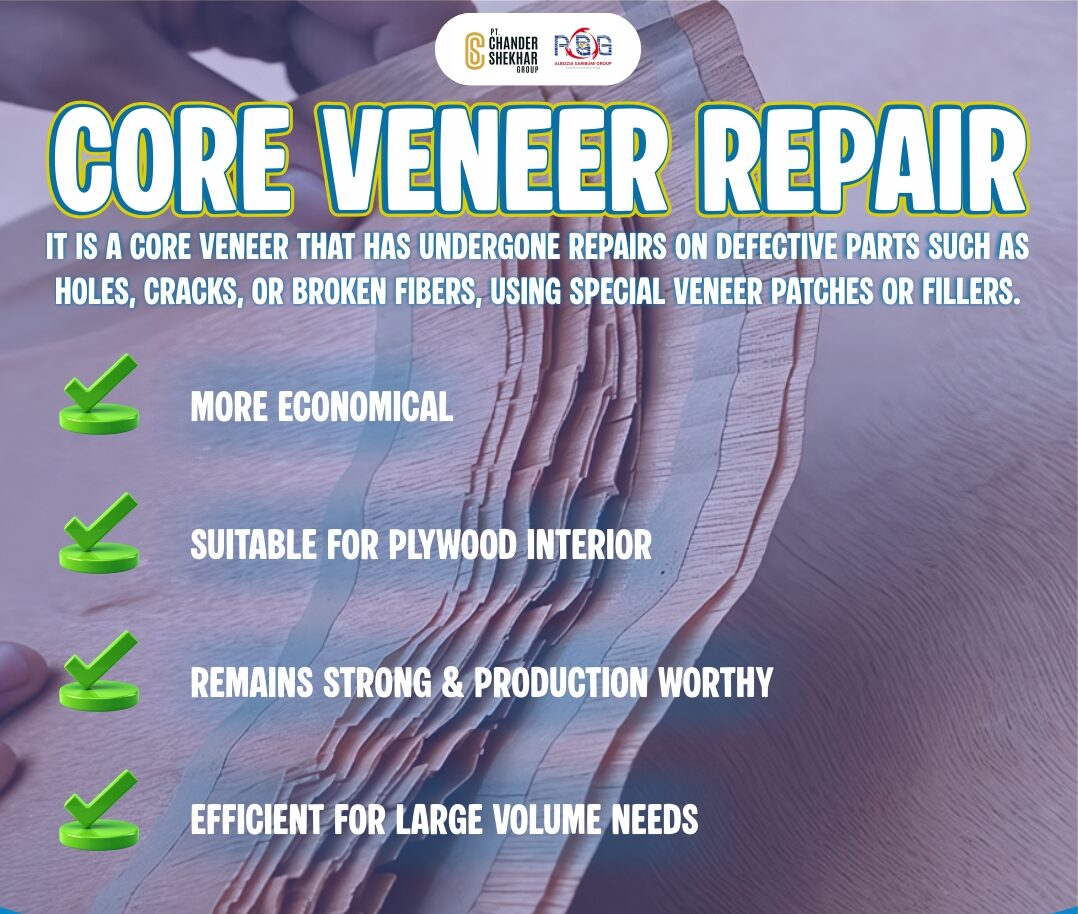
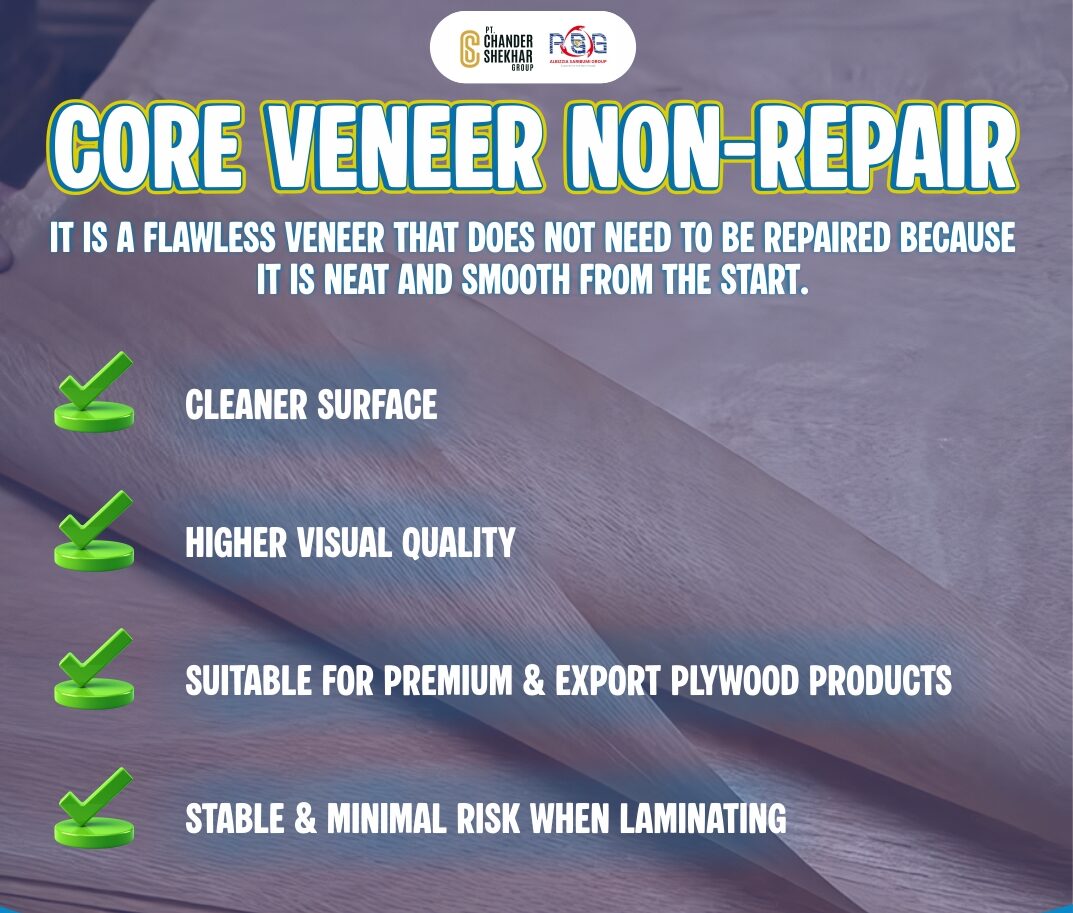
Core veneer is available in repaired and non-repaired grades, tailored to production needs.
2. Face Veneer & Back Veneer (Faceback)
The face and back veneer are the outer layers of plywood.
Their functions are:
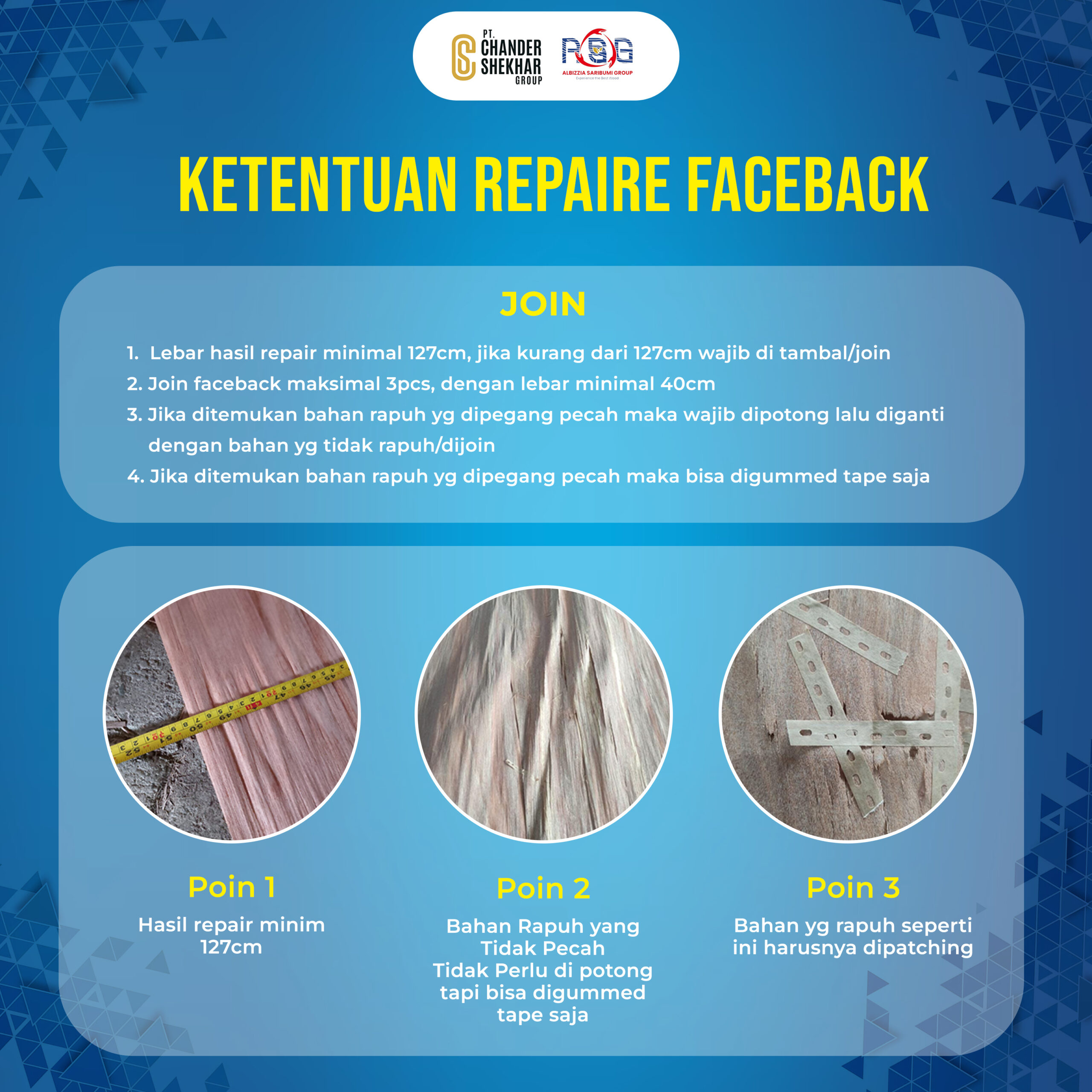
Maintaining structural stability, Adding visual value, Supporting the finishing result.
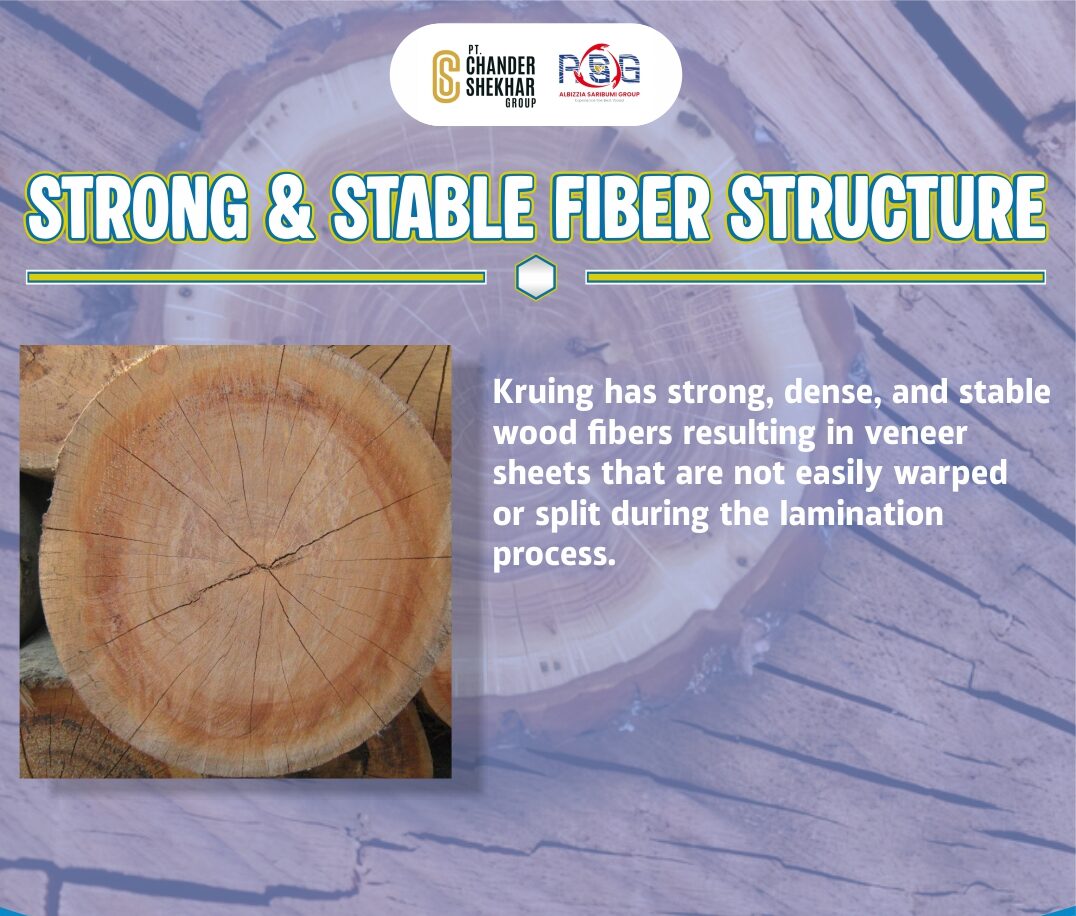
Faceback is usually produced from quality wood such as kruwing, which is in high demand for the export market.
Function of Veneer in the Plywood Industry
- Provides structural strength to plywood.
- Maintains dimensional stability
- Increases wood efficiency.
- Determines the final quality of plywood products.
Without quality veneer, plywood will lack durability and consistency.
Conclusion
Veneer is more than just a thin sheet of wood; it’s the foundation of the plywood industry. The quality of the veneer determines the strength, appearance, and value of the final product.
Through a controlled production process, high-quality veneer delivers optimal results for industry and export markets.